Enhancing Development Through Physical and Movement Play Activities
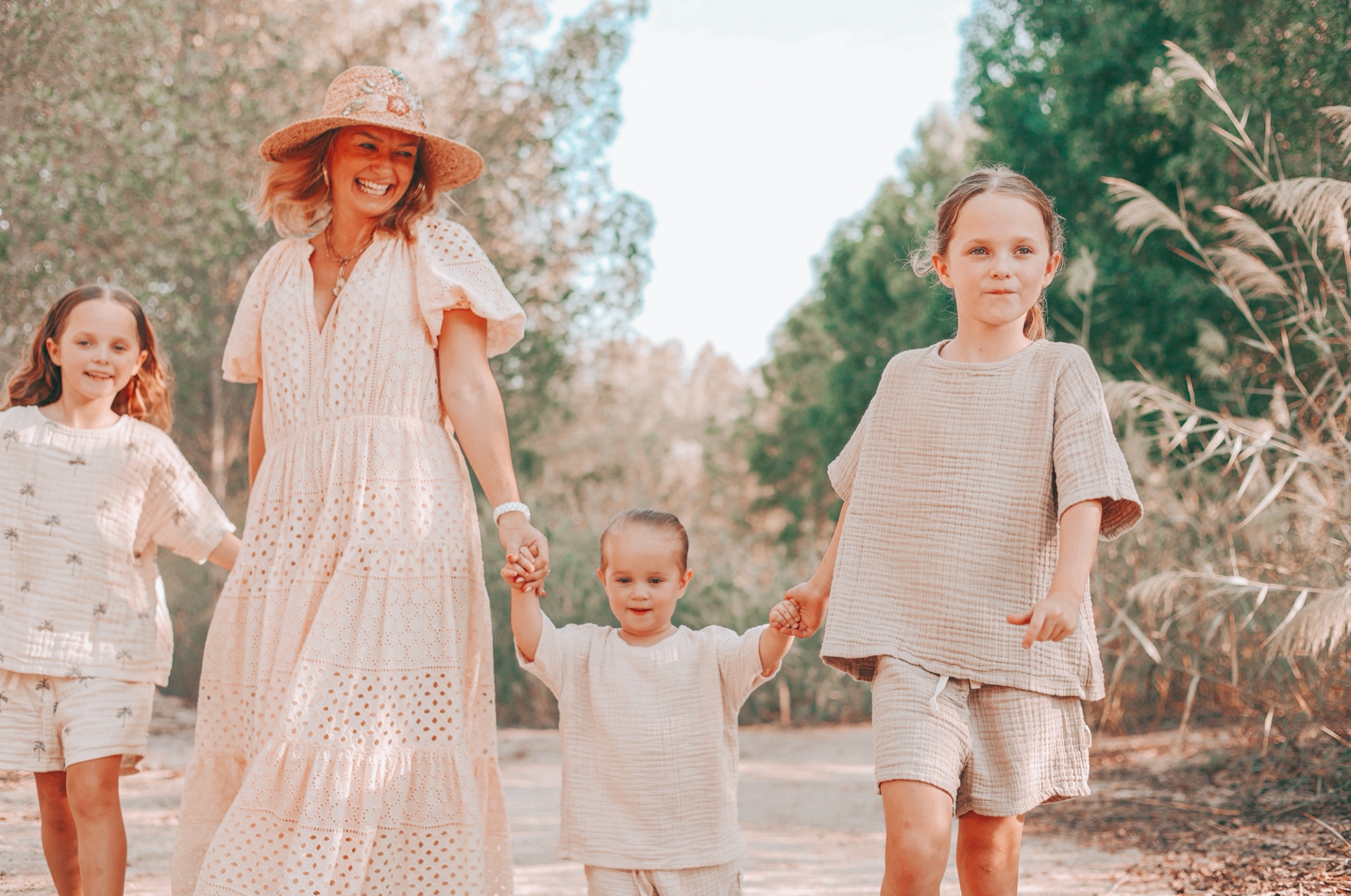
Physical and movement play is more than just fun for children. It plays a crucial role in their overall development, helping them build essential skills that support learning, growth, and well-being. The Physical and Movement Play: Move, Learn, Grow Activity Book offers a practical guide to engaging children in activities that promote these benefits. This post explores how physical play supports development and provides examples of activities that encourage movement and learning.
Why Physical and Movement Play Matters
Children learn best when they are active. Movement stimulates brain development, improves coordination, and supports emotional health. When children engage in physical play, they develop:
Motor skills such as running, jumping, and balancing
Cognitive skills, including problem-solving and spatial awareness
Social skills through cooperative games and sharing
Emotional resilience by managing challenges and building confidence
Research shows that children who regularly participate in physical play tend to perform better academically and have stronger social connections. This makes movement activities a vital part of early childhood education and daily routines.
Types of Physical and Movement Play Activities
The Move, Learn, Grow Activity Book categorizes activities into several types that target different areas of development:
Gross Motor Activities
These involve large muscle groups and whole-body movement. Examples include:
Obstacle courses that require climbing, crawling, and jumping
Ball games that improve hand-eye coordination and timing
Dancing and rhythmic movement to music, which enhances balance and rhythm
Gross motor activities help children build strength, coordination, and endurance. They also encourage exploration and creativity as children navigate different physical challenges.
Fine Motor Activities
While these focus on smaller muscle groups, they often involve movement too. Examples are:
Threading beads or lacing cards to improve hand dexterity
Cutting shapes with scissors to develop precision
Finger painting or drawing to enhance control and creativity
Fine motor skills are essential for tasks like writing and self-care. Incorporating movement into these activities keeps children engaged and supports brain-body coordination.
Sensory Movement Activities
These combine movement with sensory experiences to stimulate multiple senses. Examples include:
Playing with textured balls or fabrics while moving
Walking barefoot on different surfaces like grass, sand, or carpet
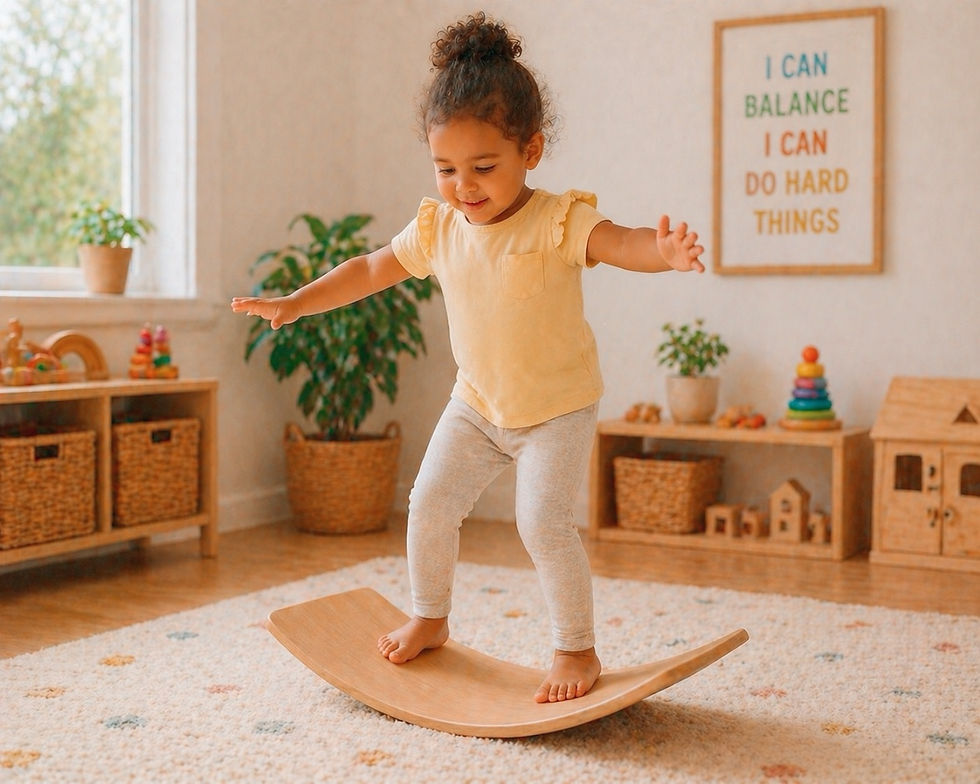
Balancing on beams or stepping stones to challenge proprioception
Sensory movement activities help children become more aware of their bodies and surroundings, improving focus and self-regulation.
How to Incorporate Movement Play at Home or School
Creating opportunities for physical and movement play does not require special equipment or large spaces. Here are practical tips to get started:
Use everyday objects like pillows, chairs, and boxes to build obstacle courses
Set aside regular time for active play, aiming for at least 60 minutes daily
Encourage outdoor play in parks or backyards where children can run freely
Mix structured and unstructured play to balance guidance with creativity
Join in the fun to model enthusiasm and support children’s efforts
For example, a simple game of “Simon Says” can be adapted to include jumping, stretching, and balancing moves. This keeps children engaged while practicing listening and motor skills.
Benefits Beyond Physical Development
Physical and movement play also support emotional and social growth. When children play together, they learn to:
Take turns and share space
Communicate and cooperate
Manage frustration and celebrate success
These experiences build confidence and empathy. Movement activities can also reduce stress and improve mood, contributing to better mental health.
Examples of Activities from the Move, Learn, Grow Activity Book
Here are a few specific activities designed to enhance development:
Animal Walks: Children imitate different animals by crawling, hopping, or slithering. This builds strength and imagination.
Balance Beam: Using a tape line on the floor, children practice walking heel-to-toe, improving balance and focus.
Balloon Volleyball: A balloon replaces a ball to encourage gentle hitting and teamwork indoors.
Freeze Dance: Children dance freely and freeze when the music stops, practicing control and listening skills.
Each activity includes clear instructions and variations to suit different ages and abilities.
Supporting Development Through Movement Play
To maximize the benefits of physical play, adults should:
Provide a safe and inviting environment
Observe and adapt activities to each child’s needs
Encourage positive feedback and celebrate progress
Integrate movement with other learning areas like language and math
For instance, counting jumps or naming colors during play adds an educational layer without losing the fun.
Physical and movement play is a powerful tool for helping children move, learn, and grow. The Physical and Movement Play: Move, Learn, Grow Activity Book offers valuable resources to guide parents, educators, and caregivers in creating engaging activities that support development. By moving a regular part of children’s lives, we help them build skills that last a lifetime.
For more ideas, visit The Child Unplugged to explore simple, meaningful, and screen-free play activities that support early learning through movement, creativity, and real-world experiences.

Comments