Creating a Reggio Emilia Inspired Play Checklist for Child-Led Exploration and Learning
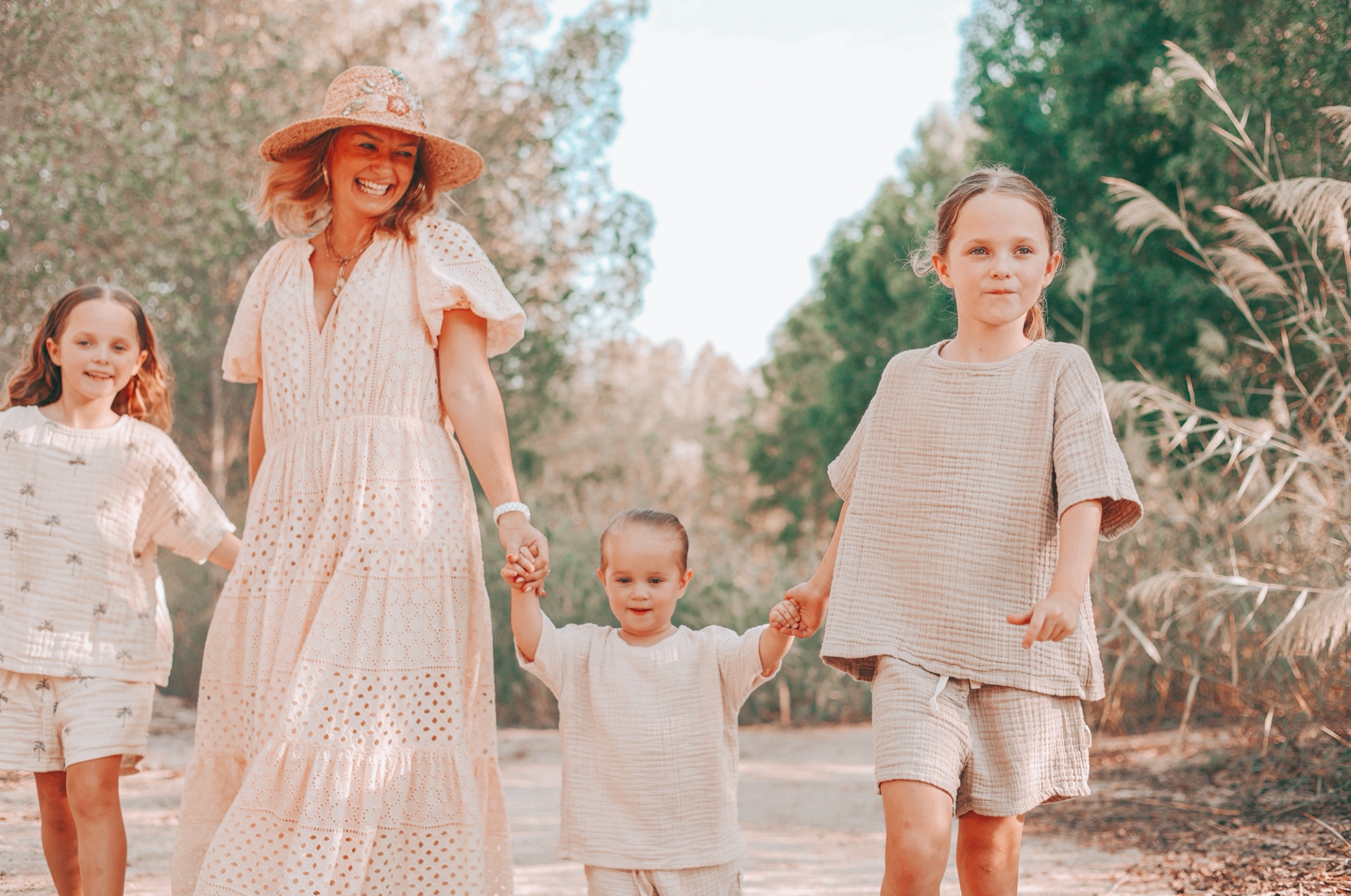
The Reggio Emilia approach to early childhood education is all about nurturing a child's natural curiosity. This philosophy encourages children to explore their environment, work with peers, and express themselves through various creative means. In this blog post, we'll outline a practical play checklist that aligns with Reggio Emilia principles, providing effective strategies for creating a rich play environment.

1) Key Principles
Support Child-Led Inquiry and Exploration
At the heart of the Reggio Emilia philosophy is the idea that children are curious and capable learners. They excel when given the freedom to pursue their interests and ask questions. To promote this child-led inquiry, we must foster environments that support exploration and allow children to follow their instincts.
One effective method is to offer open-ended materials, such as blocks, loose parts, and recycled materials, that children can transform in numerous ways. For instance, a simple cardboard box can become a spaceship or a fort, igniting a child's imagination. By providing diverse resources, children can engage in self-directed play that nurtures critical thinking and problem-solving abilities.
Environment as the “Third Teacher”
In the Reggio Emilia philosophy, the environment is viewed as the "third teacher." This highlights how thoughtfully designed spaces can inspire curiosity and exploration. Research shows that well-organized environments can significantly boost children’s engagement, leading to improved learning outcomes.
Here are practical tips to create an effective learning environment:
Adaptable Play Spaces: Allow play areas to change based on children's interests. For instance, if children express interest in nature, include plant materials to explore.
Easy Access to Materials: Position resources where children can reach them, stimulating curiosity and encouraging independent exploration. Studies show that children are 40% more likely to engage in play when materials are easily accessible.
Distinct Play Zones: Set aside designated spaces for art, construction, sensory activities, and reading. This setup allows children to explore various types of play, catering to diverse interests.
By thoughtfully arranging these spaces, caregivers and educators can create inviting environments that encourage collaboration and learning.
Collaboration and Social Interaction
Collaboration and social interaction are key to the Reggio Emilia approach. Children learn from one another through engaging shared experiences. Activities that encourage group interaction help enhance these vital social skills. In fact, research indicates that children involved in group projects show a 30% increase in communication skills.
Consider activities that promote collaboration, such as:
Nature Exploration: Have children work in pairs or small groups to observe and document findings in nature. This fosters teamwork while deepening their connection to the environment.
Team Construction Projects: Set up collaborative building challenges where children must communicate and share ideas to create their project.
Role Play and Storytelling: Use props to stimulate group storytelling. This activity allows children to express themselves and understand narratives collectively.
These collaborative experiences not only boost social skills but also enhance understanding of their surroundings.
Documentation of Ideas and Creations
Documentation is a vital aspect of the Reggio Emilia approach. It acts as a reflective tool and communicates children's learning experiences. By documenting their ideas, educators gain insights into children’s thought processes and development.
To encourage documentation, provide:
Journals or Clipboards: Equip children to write or draw their observations. This practice helps them articulate their thoughts and reflect on their discoveries.
Sharing Opportunities: Arrange times for children to present their work to peers, which instills a sense of pride and ownership in their learning. According to a recent study, children who share their learning experiences are 25% more likely to retain new concepts.
Documentation enables children to clarify their thoughts while helping educators track progress and modify learning environments as necessary.
2) Materials and Toys
The types of materials available to children significantly influence their learning and exploration. To create a Reggio Emilia-inspired environment, it's essential to offer a variety of open-ended materials that spark creativity and critical thinking.

Open-Ended Materials
Blocks, Loose Parts, and Recycled Items: These can be transformed in countless ways, supporting creativity and problem-solving.
Art Supplies
Diverse Art Materials: Provide various options like paints, crayons, clay, and paper to encourage artistic expression and imagination.
Sensory and Natural Materials
Natural Items: Include materials like sand, water, leaves, and sticks to engage children’s senses and promote hands-on exploration.
Science Tools
Basic Science Kits: Tools such as magnifying glasses and measuring equipment can nurture curiosity and lead to scientific exploration.
By presenting a rich selection of materials, children can engage in meaningful play that supports their learning journey.
3) Engaging Activities
Incorporating a variety of activities enhances children's learning experiences in a Reggio Emilia-inspired setting. Here are some stimulating activities:

Nature Exploration and Observation
Encourage outdoor exploration where children can document their findings. This activity fosters curiosity and a sense of connection to nature. Children often identify an average of 10 different plants or animals during such observations.
Sensory Experiments
Offer hands-on activities like mixing colors or exploring textures. These experiences cultivate scientific inquiry and critical thinking skills.
Collaborative Construction Projects
Involve children in group projects that necessitate teamwork, such as building a model of their dream city. Collaborative tasks can lead to a boost in social skills and creativity.
Storytelling and Role Play
Facilitate imaginative play using props for storytelling. This not only channels creativity but also strengthens communication skills.
Art Projects Based on Questions
Encourage children to create art based on what they observe or question. This approach promotes self-expression and deeper understanding.
4) Environment Tips
Creating an effective Reggio Emilia-inspired environment demands thoughtful planning. Here are actionable strategies to enhance your play space:

Evolving Play Spaces
Design areas that evolve with children’s interests. If they show keen interest in a specific theme, adjust the environment to reflect that passion.
Accessible Materials
Arrange materials so that children can easily access them, fostering a sense of independence and prompting exploration.
Designated Play Areas
Establish separate zones for art, construction, sensory activities, and reading. This diversity empowers children to engage in a range of play and learning experiences.
Celebrate Children's Work
Display children's creations and documentation prominently. This not only reflects their learning journey but also instills a sense of pride in their achievements.
Final Thoughts
Ready to bring this approach into your play setup?
Explore my online courses, subscribe to the blog for ongoing guidance, shop thoughtfully chosen Reggio Emilia–inspired toys, or book a one-to-one session with me, online or in person.
You can also reach out directly at hannah@thechildunplugged.com.


Comments