Fostering Healthy Early Development: Alternatives to Screen Time for Babies

The first year of a baby’s life sets the stage for how they learn, regulate emotions, and pay attention. While screens are everywhere, babies do not need them. Instead, they thrive on real-world experiences like faces, voices, movement, touch, and exploration. These natural interactions shape the brain in ways screens cannot match. This post shares practical ways to support your baby’s growth without relying on screens.

Mealtime Routines That Build Connection and Skills
Screens during meals can distract babies from their natural hunger and fullness signals. This distraction may lead to picky eating habits later. Instead, focus on creating mindful mealtime moments that engage your baby’s senses and encourage development.
Sit face-to-face with your baby to build connection and communication.
Offer a spoon for your baby to hold, which supports sensory and fine motor skills.
Narrate what your baby is eating, for example, “Crunchy carrot” or “Soft banana.”
Use music or singing to create a joyful atmosphere instead of screens.
Let your baby safely explore different food textures with their hands.
Even just five minutes of screen-free, mindful eating helps build stronger brain connections than 20 minutes spent distracted by a device.
Calm-Down Alternatives That Teach Self-Soothing
Babies often get fussy and need help calming down. Screens might seem like an easy fix, but they can overstimulate and interfere with learning how to self-soothe. Try these calming, sensory-rich alternatives:
Use soft, dim lighting to create a peaceful environment.
Play gentle music or lullabies to soothe your baby’s senses.
Rock or sway your baby slowly to provide comforting movement.
Offer simple sensory objects like spoons, fabrics, teethers, or scarves.
Cuddle and co-regulate by holding your baby close and matching their breathing.
Supervised water play in a bowl or sink can be calming and engaging.
Change the scenery by stepping onto a balcony, near a window, or outdoors.
These methods help babies learn natural ways to calm themselves, a skill that benefits them throughout life.
Playful Distractions That Support Independence
When you need a few minutes to cook, shower, or take a break, it’s tempting to hand over a device. Instead, create safe and engaging distractions that promote exploration and independence.
Designate a safe kitchen drawer with wooden spoons, bowls, and silicone cups for your baby to explore.
Give your baby a colander and scarves to pull through the holes.
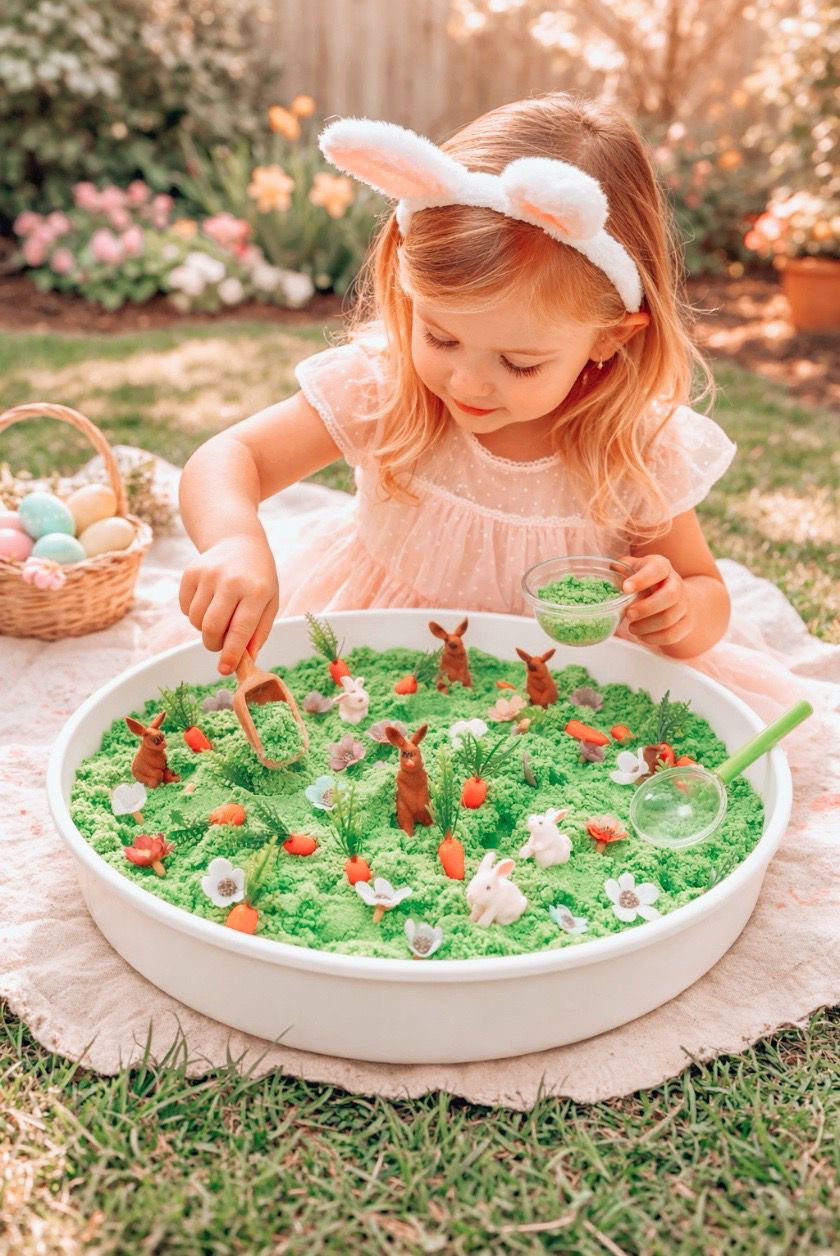
Set up a taste-safe sensory tray on the floor with rice cereal, oats, or pasta.
Place your baby in a high chair with simple objects to bang, shake, and explore.
Use a baby carrier while preparing meals so your baby stays close and engaged.
Scatter soft toys or books on a blanket nearby.
Rotate “special toys” that are only available during these moments to keep interest high.
These activities keep your baby busy while encouraging curiosity and self-reliance.
Why Screens Overstimulate Babies
Babies’ brains are rapidly developing and highly sensitive to stimulation. Screens often present fast-moving images, bright colors, and loud sounds that can overwhelm a baby’s nervous system. This overstimulation may make it harder for babies to focus, regulate emotions, and develop healthy attention spans. Real-world experiences with people and objects provide the right level of stimulation to support balanced brain growth.
What to Know More...
If you’d like to learn more about creating healthy, screen-free habits, you may be interested in my online course, or you’re very welcome to get in touch to arrange a one-to-one consultation, either by phone or in person.


Comments