How Can a 1:1 Play Session Support Your Child?
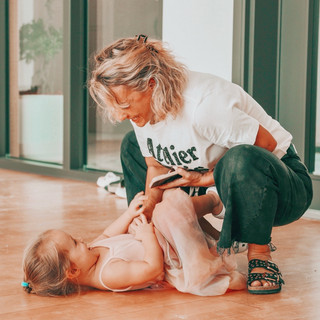
Sometimes you can sense that a child needs a little extra support, but it is not always clear what that support should look like. They may find it hard to play independently. They may move quickly from one toy to the next, need help with communication, avoid certain textures, or feel unsure when something new is introduced. Some children are eager to explore but need help slowing down. Others prefer to watch before joining in.
There may not be a specific concern at all. Many parents simply wonder, “What kind of play is right for my child at this stage?” or “How can I support their development without turning play into pressure?” A 1:1 play session can help answer those questions in a calm, child-led way. At The Child Unplugged, the session begins with the child, not a fixed checklist. Their age, stage, interests, personality, confidence, sensory preferences and emerging skills all matter.
From there, purposeful play experiences can gently support the areas that are most relevant to them.

A 1:1 play session starts with observation
The first step in a meaningful session is often simply watching.
How does the child enter the space? Do they go straight to familiar toys or look around first? Do they seek adult help quickly, or do they prefer to explore alone? Do they repeat actions, line things up, build, pretend, move, sort, climb, hide, pour, fill, empty or copy?
These small details say a lot.
A child who repeatedly fills and empties containers may be exploring cause and effect, space, weight and control. A child who lines up animals may be organising their world and noticing difference. A child who keeps returning to a physical activity may be seeking movement input that helps them feel regulated.
In a 1:1 session, the adult does not rush to change the play. Instead, they notice what the child is already showing. This makes the support more personal and more useful.
A session may look relaxed from the outside, but there is often careful thinking behind it. The adult may be noticing:
How long the child stays with an activity
How they ask for help or refuse help
Whether they copy actions or prefer to lead
How they respond to challenge
What textures, sounds or movements they seek or avoid
How they use words, sounds, gestures, eye contact or body movement
Whether they enjoy pretend play, construction play, sensory play or movement play
This is why How 1:1 Play Sessions Can Support Your Childs Growth is not only about adding activities. It is about finding the right kind of support at the right time.

Independent play grows through confidence and connection
Independent play is sometimes misunderstood. It does not mean leaving a child alone and expecting them to entertain themselves. It means helping them build the ability to explore, make choices, become absorbed and develop their own ideas.
Some children naturally settle into play for long stretches. Others find it hard to begin. They may ask an adult what to do, abandon activities quickly, or become frustrated when play does not go as expected.
A 1:1 play session can support independent play by identifying what truly holds the child’s attention.
For one child, it may be posting objects into a box. For another, it may be pretend cooking, train tracks, water play, cars on a ramp, animal figures, puzzles or large movement games. Once the adult understands what engages the child, they can gently extend the play without taking over.
For example, if a child enjoys pushing cars down a ramp, the adult might add:
A second ramp with a different height
A tunnel at the bottom
Two cars to compare speed
A basket to collect the cars
A simple turn-taking rhythm
The activity still belongs to the child. The adult simply adds small possibilities.
Over time, this helps the child start play more easily, remain engaged for longer and feel proud of what they can do. The aim is not quiet, perfect play. The aim is meaningful engagement.

Communication develops naturally through play
Communication is much more than repeating words or naming pictures. Children communicate through sounds, gestures, facial expressions, pointing, movement, shared attention, imitation and choices.
Play creates real reasons to communicate.
A child may point to bubbles because they want more. They may pull an adult’s hand towards a toy that is difficult to open. They may copy a silly sound during animal play. They may say “again” after a favourite action. They may shake their head, push something away, or look towards the adult to share surprise.
These moments are powerful because the communication has a purpose.
In a 1:1 session, communication can be supported without pressure. The adult may pause before repeating a fun action, offer two choices, model simple words, copy the child’s sounds, or add language to what the child is already doing.
For example:
If a child is stacking blocks, the adult might say, “Up, up, up,” then wait. If the tower falls, they might add, “Crash!” and watch to see whether the child looks, laughs, copies or asks for more.
If a child is playing with animals, the adult might make one animal jump, sleep or eat, then pause. This gives the child an opening to copy, respond or lead the next action.
The most useful language often comes in short, natural phrases. Too many questions can make play feel like a test. Simple comments tend to work better.
Instead of asking, “What colour is this? What animal is this? What sound does it make?” the adult might say:
“The cow is eating.”
“The horse is running.”
“Oh no, the sheep fell down.”
“You found the baby animal.”
This kind of language gives the child words they can connect to real action. It also keeps the play enjoyable. For children who are still developing spoken language, the session can also support early communication skills such as joint attention, turn-taking, imitation and understanding simple instructions. These skills often develop best through warm, repeated play routines.

Sensory play can help children explore at their own pace
Some children love messy play, water, sand, paint, dough and movement. Others are cautious. They may avoid sticky textures, dislike getting hands dirty, cover their ears, refuse certain materials, or become upset when play feels unpredictable.
A 1:1 session can offer sensory experiences in a gentle and respectful way. The goal is never to force a child to touch, taste, smell or tolerate something before they are ready. Instead, the adult creates opportunities for safe exploration. The child can watch, hover nearby, use tools, touch with one finger, or choose a different way to join in.
For example, a child who avoids finger paint may begin with a paintbrush. Then they may try a sponge. Later, they may choose to press one fingertip into the paint. Another child who is unsure about play dough may prefer to cut it with a child-safe tool before touching it directly. Small steps matter.
Sensory play can include:
Dry textures such as rice, pasta, lentils or fabric
Wet textures such as water, foam, jelly-like materials or paint
Heavy work such as carrying cushions, pushing a basket or stretching dough
Movement such as crawling through a tunnel, balancing or rolling
Sound play using shakers, bells or quiet rhythm games
For children who seek a lot of sensory input, the session can also help channel that need. A child who runs constantly may benefit from obstacle courses, pushing games, big body movement and then calming play. A child who throws toys may need safer throwing games with beanbags, balls or soft targets.
Sensory support works best when the child feels safe, seen and in control.

Confidence grows when challenge feels achievable
Children build confidence through small moments of success. They try something, struggle a little, receive the right amount of support and realise they can manage more than they thought. A 1:1 play session can make this process easier because the activity can be matched to the child’s current stage.
If the task is too easy, the child may lose interest. If it is too hard, they may give up or become upset. The sweet spot is a challenge that feels possible with gentle support. For a toddler, this might mean fitting large puzzle pieces, climbing safely over cushions, taking turns rolling a ball, or placing rings on a stand. For an older preschool child, it may involve building a bridge, creating a pretend shop, following a two-step play instruction, or solving a problem when a tower keeps falling.
The adult can support confidence by:
Breaking a task into smaller steps
Modelling once, then giving the child time
Offering just enough help
Celebrating effort rather than perfection
Allowing mistakes to become part of the play
This is especially helpful for children who often say “I can’t” or avoid unfamiliar activities. When play is carefully chosen, new experiences feel less threatening. A child may begin by watching. Then they may join for one small step. Later, they may lead the activity themselves. That gradual shift is a meaningful sign of growth.

Social and emotional skills can be practised gently
Play gives children a safe space to practise feelings and relationships. During a session, a child may experience waiting, choosing, frustration, excitement, disappointment, surprise and pride. They may need to take turns, accept that something has changed, ask for help, repair a mistake or try again.
These are big skills. A 1:1 setting allows the adult to support emotional development without the pressure of a large group. The child can practise at a pace that suits them. For example, if a child becomes upset when a tower falls, the adult can name the feeling and offer a next step.
“That was frustrating. The tower fell. Let’s try a wider base.”
If a child struggles to wait, the adult can use a short and predictable turn-taking game.
“My turn. Your turn.”
If a child changes the rules during pretend play, the adult can follow their lead while gently adding structure.
This kind of support helps children learn that feelings can be managed, problems can be solved and other people can be part of enjoyable play. For some children, 1:1 play can also be a bridge towards group settings. Before joining peers in a busier environment, they may need practice with shared attention, turn-taking, flexible thinking and communication. A calm individual session can build those foundations.

Parents gain practical ideas they can use at home
One of the most valuable parts of a 1:1 play session is what it shows the parent. Many parents are surrounded by toys but still feel unsure how to use them well. Others worry that they should be teaching letters, numbers or formal skills. Some feel pressure to keep buying new activities when their child seems uninterested in what they already have.
A good play session can make things simpler. It can show which toys or materials your child returns to, how they learn best, what level of support helps, and which small changes make play last longer.
For example, a parent may discover that their child plays better when fewer toys are available. Another may realise their child communicates more when the adult pauses instead of asking repeated questions. Another may see that movement play before table-top play helps their child settle. These are practical insights that can be used at home straight away.
A session may also help parents understand that they do not need elaborate setups. Often, the most useful play materials are simple:
Blocks
Scarves
Balls
Containers
Animal figures
Cardboard tubes
Water and cups
Play dough
Cushions
Everyday household objects used safely
What matters is how the play is introduced, followed and gently extended.

What a session may look like at The Child Unplugged
Every child is different, so each session will look a little different too. Still, most 1:1 play sessions include a few key elements. The session may begin with free exploration. This gives the child time to settle and gives the adult time to observe. From there, play experiences may be introduced based on the child’s interests and needs.
A child who enjoys movement may begin with climbing, crawling, pushing or obstacle play. A child who loves small figures may move into pretend play. A child who needs sensory support may explore textures gradually. A child working on communication may be offered playful routines with pauses, choices and repetition.
The pace stays responsive. If the child becomes tired, overwhelmed or disengaged, the session can shift. If they become deeply absorbed, the adult can stay with that play and build from it. The aim is not to make every child play in the same way. The aim is to understand how this child learns, connects and grows through play.

Small play moments can lead to big developmental steps
A 1:1 play session can support many areas of development, including independent play, communication, sensory confidence, problem-solving, emotional regulation and social readiness. Just as importantly, it can help parents see their child’s play with fresh eyes.
When support begins with the child’s interests, play feels natural. It becomes easier to notice what they are ready for, what they are trying to master and where a gentle next step might help.
Children do not need perfect activities. They need thoughtful opportunities, patient adults and space to explore. Sometimes the smallest play moment, a shared laugh, a copied sound, a first turn, a longer stretch of focus, is the beginning of real growth.

Comments