Music for Baby Development: Essential Recommendations for Parents

Music reaches babies in a way words cannot. Even before they understand language, babies respond to rhythm, tone, and melody. This natural connection makes music a powerful tool to support early development.
Choosing the right music can help babies feel calm, build emotional bonds, and stimulate brain growth. This post shares practical advice for parents who want to use music thoughtfully to nurture their little ones.
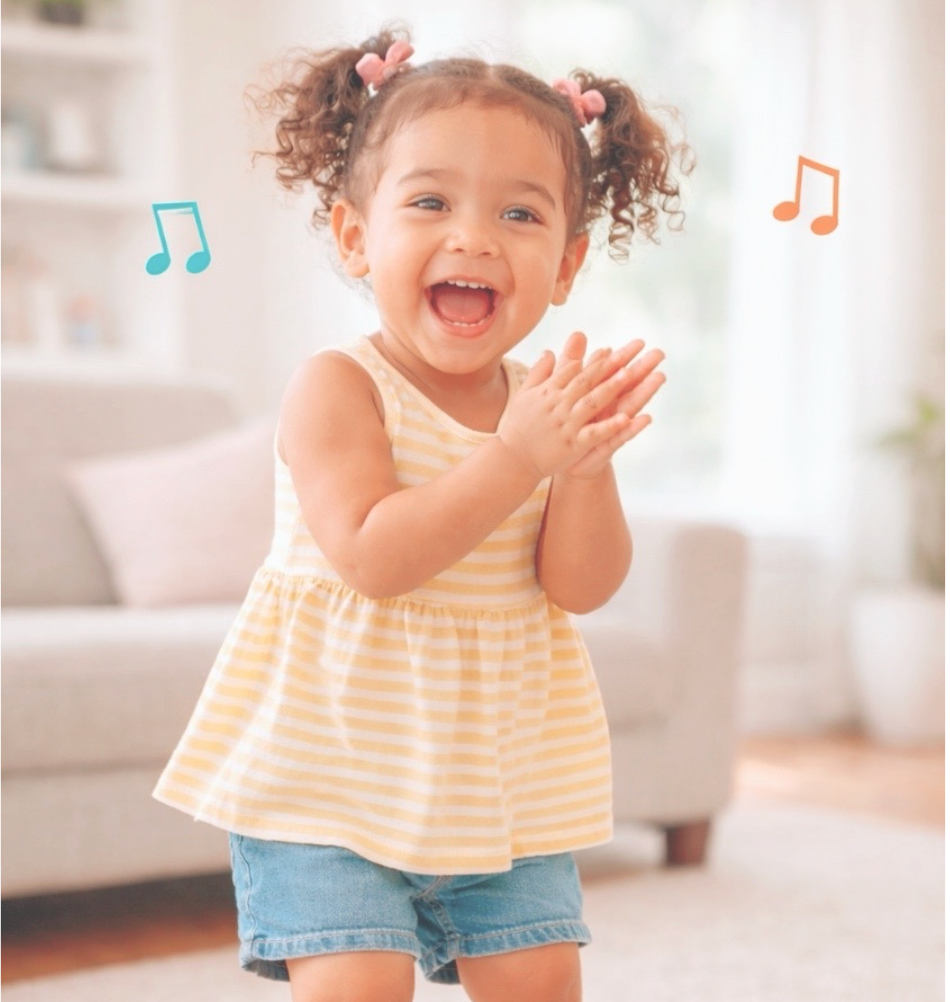
1) Why Music Matters for Babies
Babies are wired to react to sound from the earliest stages. Research shows that even in the womb, babies hear rhythms and tones that prepare their brains for language and social interaction. After birth, music continues to shape their development in several key ways:
Supports early listening skills-Music helps babies tune into sounds, which is essential for later language learning.
Builds language foundations-Songs introduce patterns, repetition, and new sounds that form the basis of speech.
Encourages emotional regulation-Gentle melodies can soothe fussiness, while upbeat tunes can lift mood and energy.
Strengthens bonding-Singing or playing music together creates moments of connection between caregiver and baby.
Enhances sensory development-Music engages hearing, movement, and sometimes touch, enriching sensory experiences.
Parents don’t need special instruments or perfect singing voices. Their own voice is the most meaningful instrument for babies.
2)Choosing Music for Different Moments
Not all music fits every situation. Matching the type of music to the moment helps babies respond positively and learn effectively.
Sleep time-Soft lullabies and slow instrumental pieces create a calm atmosphere that encourages rest.
Playtime-Rhythmic songs with clear beats invite movement and interaction, helping motor skills.
Tummy time-Gentle melodies with a steady tempo can keep babies engaged while building strength.
Winding down-Familiar songs repeated quietly signal the transition to calm and prepare babies for sleep.
Parents can explore simple nursery rhymes, slow classical music, or nature sounds mixed with gentle melodies to find what resonates best.
3) Safe Volume and Creating a Musical Environment
Babies’ ears are sensitive. Keeping music at a safe volume protects hearing and ensures comfort.
Play music softly, below 60 decibels, roughly the level of a normal conversation.
Use speakers or devices at a distance rather than headphones.
Create a quiet, distraction-free space where music can be the focus.
Observe the baby’s reactions. If they seem overwhelmed or fussy, lower the volume or change the music.
A calm environment helps babies absorb the sounds and associate music with positive feelings.
4) The Power of Repetition and Routine
Babies thrive on repetition. Hearing the same songs regularly builds familiarity and memory.
Choose a few favorite songs to sing or play daily.
Use music as part of routines, such as a bedtime lullaby or a morning wake-up song.
Repetition helps babies anticipate what comes next, creating a sense of safety.
Familiar songs also encourage early language skills as babies begin to recognize words and sounds.
Parents can keep a small playlist of go-to songs that become comforting anchors throughout the day.
5) Making Music Interactive and Engaging
Music becomes more meaningful when it involves movement and interaction.
Add clapping, swaying, or gentle bouncing to songs.
Encourage the baby to respond with smiles, coos, or simple gestures.
Hum along if you don’t feel confident singing.
Use simple instruments like rattles or shakers to explore sound together.
These activities support motor skills, social connection, and sensory development.
6) Screen-Free Musical Experiences
Real-world sound exploration is more beneficial than screen-based music.
Sing and play music live rather than relying on videos or apps.
Explore natural sounds like birdsong, water, or wind alongside music.
Encourage listening to everyday household sounds as part of musical learning.
This approach keeps babies engaged with their environment and strengthens attention.
7) Practical Music Recommendations for Parents
Here are some easy-to-use music ideas to try at home:
Lullabies and soft instrumentals-Songs like “Twinkle Twinkle Little Star” or gentle piano pieces.
Nature sounds with melodies-Tracks that blend birdsong or rain with soft music.
Slow classical music-Compositions by Mozart or Bach played quietly.
Simple nursery rhymes -“Itsy Bitsy Spider,” “Row, Row, Row Your Boat,” repeated often.
Parent-led singing-Your own voice singing familiar tunes or made-up songs.
These options require no special equipment and fit easily into daily life.
8) Building Confidence as a Musical Parent
Parents don’t need to be professional musicians to make a difference. Babies respond to the love and attention behind the music more than to technical skill.
Trust your voice and instincts.
Keep music sessions short and enjoyable.
Notice how your baby reacts and adjust accordingly.
Remember that the goal is connection and comfort, not performance.
By embracing music as a natural part of caregiving, parents can support their baby’s growth in joyful, meaningful ways.
Visit The Child Unplugged to discover our full range of thoughtfully designed, screen-free courses that support meaningful connection, growing confidence, and joyful early development. Each course is created to help parents feel empowered while giving children rich, hands-on experiences that nurture creativity, focus, emotional well-being, and real-world learning — the way childhood was meant to be.

Comments