Understanding Developmental Milestones for 2 Year Olds and the Role of Play
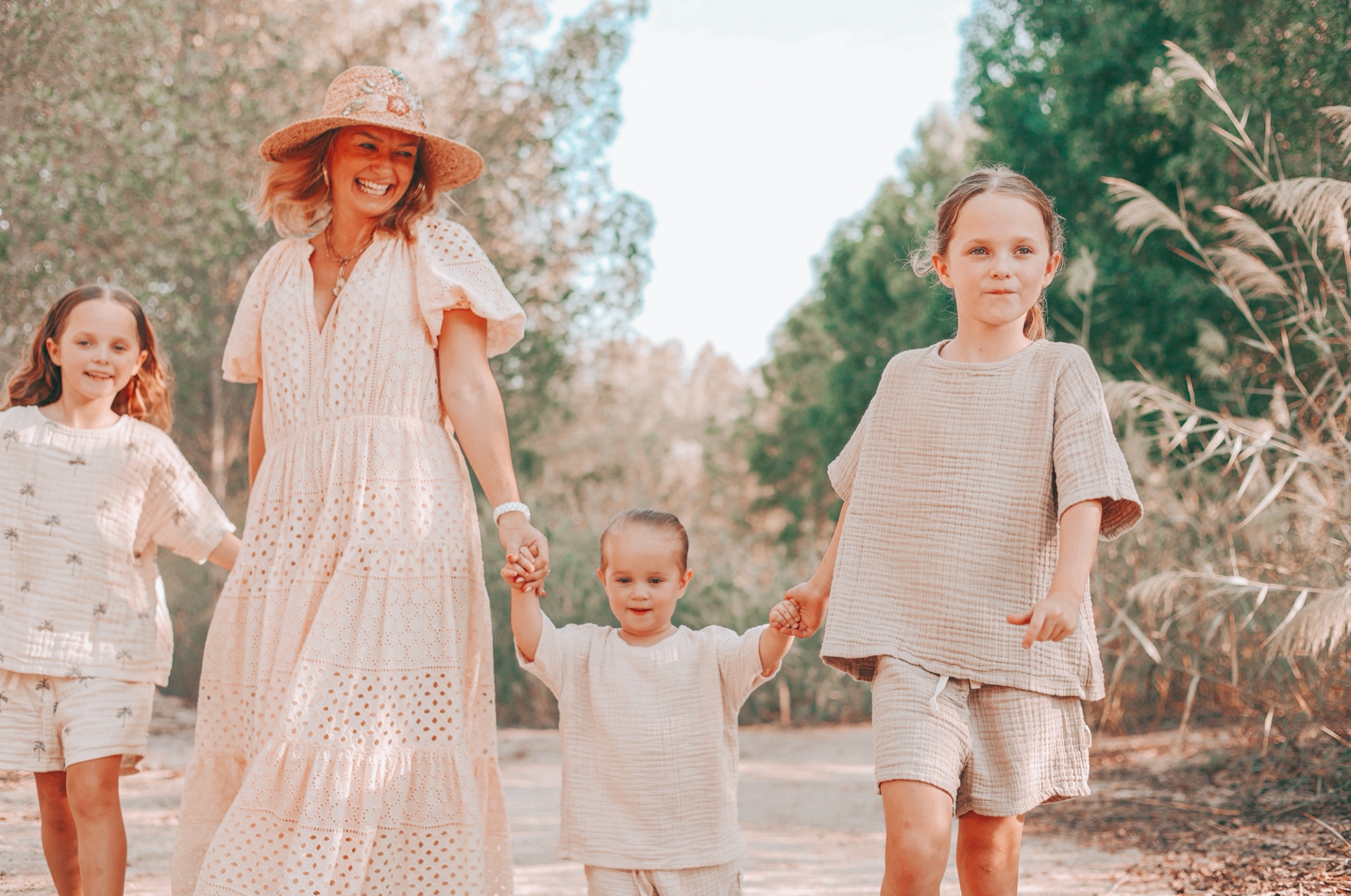
Every parent and caregiver watches a toddler grow with a mix of excitement and curiosity. At two years old, children reach a fascinating stage filled with rapid changes in their physical, cognitive, emotional, and social abilities. Understanding what typically happens during this period helps adults support toddlers effectively. Play plays a crucial role in this development, offering a natural way for children to explore, learn, and practice new skills.
This post explores the key developmental milestones for two-year-olds and explains how play supports growth across different areas. Whether you are a parent, caregiver, or early childhood educator, this guide provides practical insights and examples to help you nurture a toddler’s development.

Physical Development at Two Years Old
By the age of two, toddlers show significant progress in both gross and fine motor skills. These physical abilities form the foundation for independence and confidence.
Gross Motor Skills
Two-year-olds typically:
Walk steadily without support
Begin to run, though often uncoordinated
Climb onto furniture or playground equipment
Kick and throw balls with some control
Start to jump with both feet off the ground
These skills improve balance, coordination, and muscle strength. Encouraging toddlers to move freely in safe spaces helps them refine these abilities.
Fine Motor Skills
Fine motor skills involve smaller movements, mainly using the hands and fingers. At this stage, toddlers can:
Stack blocks or cups
Turn pages in a book, sometimes several at once
Use a spoon or fork with increasing skill
Scribble with crayons or markers
Begin to manipulate simple toys with buttons or levers
These actions support hand-eye coordination and prepare toddlers for tasks like dressing themselves or drawing.
Cognitive Development and Language Growth
Two-year-olds experience a burst in thinking and language skills. Their curiosity about the world expands, and they start to communicate more effectively.
Cognitive Milestones
At this age, toddlers can:
Understand simple instructions and follow two-step directions
Identify common objects and pictures
Begin to sort shapes and colors
Show interest in pretend play and make-believe scenarios
Solve simple problems, like figuring out how to open a box or fit shapes into a sorter
These abilities reflect growing memory, attention, and reasoning skills.
Language Development
Language skills develop rapidly between 18 and 24 months. Typical milestones include:
Using 50 or more words
Combining two words to form simple sentences (e.g., “more juice,” “go park”)
Naming familiar people, objects, and body parts
Following simple questions and commands
Expressing needs and feelings verbally
Talking often with toddlers and reading aloud supports vocabulary growth and communication skills.
Social and Emotional Growth
Two-year-olds begin to show more independence but still need reassurance and connection with caregivers.
Social Skills
At this stage, toddlers:
Show preferences for certain people and toys
Begin to play alongside other children (parallel play)
Imitate adult behaviors and social routines
Express a range of emotions like joy, frustration, and affection
Start to understand simple social rules, such as sharing or taking turns, though they may struggle to follow them consistently
Emotional Development
Toddlers often experience strong emotions and may have tantrums as they learn to manage feelings. They seek comfort from familiar adults and benefit from consistent routines and gentle guidance.

How Play Supports Development at Two Years Old
Play is not just fun for toddlers; it is essential for learning and growth. Through play, children practice new skills, explore their environment, and build relationships.
Types of Play Beneficial for Two-Year-Olds
Exploratory Play: Toddlers use their senses to discover objects and materials. For example, playing with water, sand, or textured toys helps develop sensory awareness.
Pretend Play: Using dolls, toy animals, or household items to imitate real-life situations encourages imagination and social understanding.
Physical Play: Activities like running, climbing, and dancing improve motor skills and body awareness.
Constructive Play: Building with blocks or simple puzzles promotes problem-solving and fine motor coordination.
Social Play: Playing near or with other children teaches sharing, cooperation, and communication.
Practical Ways to Encourage Play
Provide a variety of safe, age-appropriate toys and materials.
Create a play space that allows freedom of movement.
Join in play to model language and social skills.
Offer simple challenges, like stacking blocks higher or sorting shapes.
Read books together and encourage toddlers to point to pictures or repeat words.
Supporting Development Through Everyday Activities
Beyond structured play, daily routines offer many chances to support a two-year-old’s growth.
Mealtime
Encourage toddlers to feed themselves with utensils.
Talk about the colors, textures, and tastes of food.
Use mealtime to practice polite words like “please” and “thank you.”
Dressing and Hygiene
Let toddlers try putting on simple clothes like hats or shoes.
Teach handwashing with songs or games.
Praise efforts to build confidence and independence.
Outdoor Time
Explore nature by collecting leaves or watching birds.
Use playground equipment to practice climbing and balancing.
Play simple games like “catch” or “follow the leader.”
When to Seek Guidance
Every child develops at their own pace, but some signs may indicate the need for extra support:
Limited or no spoken words by 24 months
Difficulty walking or frequent falling
Lack of interest in social interaction or play
Trouble following simple instructions
Extreme tantrums or withdrawal
If you notice these signs, consult a pediatrician or early childhood specialist for evaluation and advice.
Supporting a two-year-old’s development is a rewarding journey. By understanding the milestones and using play as a tool, adults can help toddlers build skills that last a lifetime. Encourage exploration, celebrate small achievements, and enjoy the wonder of watching a child grow.


Comments