Essential Waldorf Play Checklist for Nurturing Imagination and Creativity

In early childhood education, the Waldorf approach is particularly unique because it focuses on imagination and creativity. This method encourages children to interact with their surroundings in meaningful ways, helping to instill a lifelong love of learning. In this post, we will provide a thorough Waldorf play checklist that highlights essential materials, activities, and environmental tips, all aimed at fostering a child’s natural creativity.
1) Key Principles to Support
Imagination and Creativity
Waldorf education is built on the idea that nurturing imagination and creativity is vital for children’s growth. It acknowledges that children learn best by following their interests and expressing themselves. For instance, research shows that children engaged in imaginative play are 70% more likely to develop critical thinking skills and emotional intelligence.
Moreover, children flourish in environments that cater not only to their intellectual growth but also to their emotional and social needs. The Waldorf philosophy promotes a balanced approach where creativity is central to the learning experience. For example, children engaged in collaborative art projects develop teamwork and communication skills, leading to enhanced social interaction.
Hands-On, Natural, and Seasonal Materials
A key aspect of Waldorf education is the use of natural materials. Toys made from wood, blocks, and dolls crafted from fabrics like wool and silk provide sensory experiences that stimulate creativity. A study found that children using natural materials engage in creative play 30% longer compared to those using plastic toys.
Seasonal materials, such as leaves, pinecones, and flowers, can be integrated into play and art projects. For example, children can create leaf collages in the fall, promoting a connection to nature while enhancing their artistic skills. This practice not only fosters creativity but also helps children appreciate the changing seasons, contributing to their understanding of the world around them.
Unhurried, Meaningful Experiences
In today's fast-paced world, creating unhurried, meaningful experiences for children is crucial. Waldorf education stresses allowing children to fully engage in play, free from interruptions. This approach promotes longer, concentrated periods of play, which are essential for developing creativity and focus.
Caregivers can contribute by creating a calm and nurturing environment. For example, a classroom structured for longer play sessions can significantly enhance children’s concentration levels, fostering an atmosphere ripe for exploration and experimentation. Engaging in extended playtime also allows children to develop essential problem-solving skills as they navigate their imaginative worlds.
Active, Self-Directed Learning
Waldorf education champions active, self-directed learning, which empowers children to guide their educational journey. This method encourages exploration of personal interests. For instance, when children are given access to a broad range of materials, they can choose what to work on—whether it’s sculpting with clay or crafting stories with handmade dolls.
This self-directed learning fosters independence and confidence. Kids learn to make choices and take ownership of their learning, which not only nurtures creativity but also instills a passion for lifelong learning. According to studies, children who engage in self-directed learning are 60% more likely to pursue their passions in adulthood.
2) Materials and Toys
To create an enriching Waldorf play environment, consider these essential materials and toys:

Wooden toys and blocks: These timeless items inspire open-ended play and creativity.
Natural fabrics (wool, silk): Soft and tactile, perfect for dress-up and storytelling.
Dolls and hand-crafted figures: Inspire role play and enable children to express their feelings.
Art and craft supplies (clay, paints, crayons): Offer diverse art materials to encourage creativity.
Seasonal materials (leaves, pinecones, flowers): Add natural elements to play and art, fostering a nature connection.
Dress-up sets and puppets: Increase imaginative storytelling and creative play.
Musical instruments (simple percussion, xylophones): Essential for promoting creativity and self-expression through music.
3) Activities to Foster Imagination
Engaging children in various activities can boost their imaginative play. Here are some effective suggestions:

Imaginative role play and storytelling: Challenge children to create their own stories using props from their surroundings.
Seasonal art projects: Incorporate the beauty of each season into creative arts.
Baking, cooking, or gardening tasks: Hands-on experiences like baking cookies or planting seeds foster teamwork and learning about food and nature.
Music and movement sessions: Encourage daily use of music and movement to promote self-expression.
Outdoor exploration and nature walks: Motivate children to discover their environment and ignite their sense of wonder about nature.
4) Environment Tips for a Waldorf-Inspired Space
Designing a nurturing environment is vital for supporting imaginative play. Here are several tips for creating a Waldorf-inspired space:
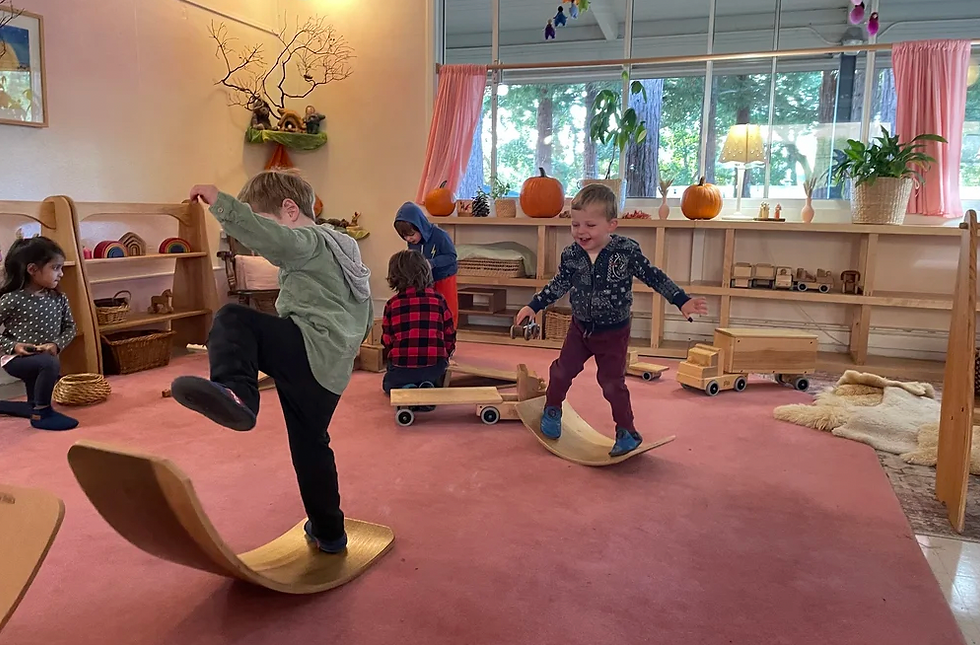
Warm, homelike, and nature-inspired environments: Utilize natural materials and soft colors to establish a cozy atmosphere.
Natural light and calming colors: Maximize natural light and select soothing colors for a peaceful setting.
Designated areas for different types of play: Set aside specific spaces for imaginative play, art, and movement to let children explore freely.
Encourage long uninterrupted play periods: Create a routine that provides ample time for children to dive deep into their activities.
Reflecting on the Waldorf Approach
If you’ve enjoyed this content and would like to explore the Waldorf philosophy in more depth, I offer an online course that goes into much greater detail and includes a collection of helpful digital downloads.
You can find out more here


Comments