Unlocking Creativity Through the Magic of Sensory Play
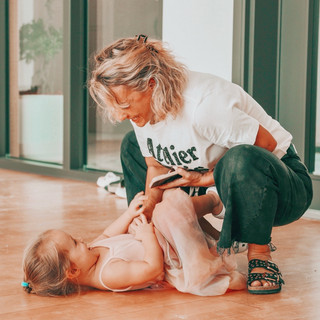
A child can turn a bowl of water, a spoon, and a few leaves into a kitchen, a river, a science lab, or a tiny forest. That shift does not come from expensive toys. It comes from the way senses invite imagination to take over.
Sensory play gives children materials they can touch, smell, hear, see, pour, squeeze, sort, mix, and reshape. Sand, clay, water, fabric scraps, seeds, rice, shells, leaves, atta dough, and even cardboard can become tools for thinking. When children explore them freely, they are not only keeping busy. They are testing ideas, building stories, solving problems, and finding new ways to express what they feel.
The best part is that sensory play does not need a perfect playroom or a long shopping list. It needs time, safe materials, and an adult who can step back just enough.

Why sensory play sparks creative thinking
Creativity begins when the brain asks, “What else could this be?”
A block can be a phone. A spoon can be a drumstick. A tray of coloured water can become a monsoon scene, a potion shop, or a painting station. Sensory materials are especially powerful because they do not come with fixed rules. They change shape. They respond to pressure. They make sounds. They surprise.
This matters because children learn through their bodies before they can explain ideas in words. A toddler squeezing wet sponge pieces learns about cause and effect. A preschooler mixing red and yellow water discovers colour change. An older child building a clay bridge tests balance, strength, and design.
These small experiments build the habits behind creativity:
Curiosity
Children ask questions with their hands before they ask them out loud.
Flexible thinking
One material can serve many purposes.
Problem solving
A tower falls, a tunnel collapses, water spills, and the child tries again.
Original expression
Children make choices based on their own ideas, not a sample picture.
Sensory play also slows the pace. Many toys tell children what to do with buttons, lights, and sounds. Open-ended materials wait for the child to lead. That quiet space is where ideas often grow.

The senses are more than touch
When people hear “sensory”, they often think of messy trays and finger painting. Touch is a big part of it, but sensory play includes the whole body.
Sight builds attention and pattern spotting
Children notice colour, size, shape, movement, and contrast. A tray of pebbles, shells, and leaves can become a sorting activity, a pretend market, or a mandala pattern.
In Indian homes, simple visual materials are easy to find:
Rangoli stencils used with safe, child-friendly coloured rice
Flower petals sorted by shade
Dupattas or fabric scraps arranged into pretend rivers and tents
Steel bowls that reflect light and change how objects look
The creative value is not in copying a design. It lies in choosing, arranging, comparing, and changing the plan.

Sound invites rhythm and storytelling
Sound play can be as simple as tapping a steel tumbler with a spoon, shaking rajma in a sealed bottle, or crinkling dry leaves. Children begin to hear differences between soft, sharp, fast, slow, loud, and quiet sounds. A few kitchen-safe objects can become a band. They can also become weather, footsteps, train sounds, or a festival procession in pretend play.
Smell and taste need care but can enrich play
Smell connects strongly with memory. Cardamom pods, curry leaves, mint, lemon peels, cinnamon sticks, and roasted cumin can introduce children to rich sensory experiences. For younger children, taste-safe play matters because many will explore with their mouths. Food-based play should stay simple and respectful. Use small quantities, avoid allergens, and skip anything that could cause choking. If a child has food sensitivities, asthma, skin irritation, or sensory discomfort, adjust the activity instead of pushing through.

Movement supports imagination
Running like the wind, crawling through a bedsheet tunnel, balancing on cushions, or carrying water from one bowl to another all involve sensory input. Movement helps children understand space, force, speed, and control. Creative play is not always seated at a table. Sometimes it looks like a child becoming a tiger, a bus conductor, a bird, or a rain cloud.
How to set up sensory play without stress
A beautiful setup is pleasant, but it is not required. A useful setup is safe, manageable, and open-ended. Start with one base material. Add two or three tools. Leave space for the child to decide what happens next.
Good base materials include:
Water
Homemade dough
Sand or clean soil
Dry rice or poha for older children
Large pasta shapes
Fabric scraps
Ice cubes
Leaves, twigs, and flowers
Paper strips
Soap foam for children who enjoy it
Useful tools include:
Spoons
Bowls
Measuring cups
Tongs
Funnels
Muffin trays
Paintbrushes
Toy animals
Cookie cutters
Small cloth pieces
A tray, old bedsheet, or washable mat can define the play area. Keep a towel nearby. Dress children in clothes that can get dirty. For wet play, a balcony, bathroom floor, or outdoor patch works well. The aim is to reduce adult anxiety, not remove all mess. Some mess is part of discovery. Still, boundaries help.
Try simple rules such as:
Materials stay on the mat.
Water stays in the tray.
We do not throw sand.
We wash hands after play.
We ask before mixing everything.
Rules work best when they are clear and few. Too many instructions turn open play into a task.

Activities that encourage creativity
The most useful sensory activities do not have a single correct result. They give children a starting point, then allow them to change direction.
Make a story tray
Fill a tray with a base such as sand, cloth, rice, or leaves. Add a few figures, bottle caps, stones, and sticks. The child can create a farm, riverbank, forest, railway station, or market.
Ask gentle questions only when needed:
What is happening here?
Who lives in this place?
What changed after the rain came?
Where will this path go?
Avoid too many questions in a row. Silence gives children room to think.
Build with dough and loose parts
Homemade atta dough can become food, animals, jewellery, roads, or tiny people. Add safe loose parts such as large buttons, shells, twigs, leaves, or bottle caps.
For younger children, keep parts large and supervise closely. For older children, introduce a challenge:
Build a house that can stand.
Make a creature that has wings.
Create a shop with five items.
Design a bridge for a toy car.
A challenge adds direction without closing down choice.
Paint without a brush
Use fingers, leaves, cotton balls, sponge pieces, or vegetable stamps. Ladyfinger, potato, and capsicum can make interesting shapes when cut safely by an adult. Children can print patterns, invent symbols, or cover paper with texture. If paint feels too messy, use water on a dark slate, chalkboard, or cement floor. The marks disappear as they dry, which can feel magical without clean-up stress.
Create a sound basket
Place safe sound-making objects in a basket. Try a steel bowl, wooden spoon, sealed shaker, paper roll, bells, coconut shell, and fabric. Children can compare sounds or use them in stories. A soft cloth might be wind. A spoon on a bowl might be rain on a roof. A shaker might become a train.
Explore ice and warmth
Freeze small toys, petals, or food colour in ice cubes. Give children warm water in a cup, droppers, and spoons. They can melt, rescue, observe cracks, and describe changes. This activity works well in hot weather and offers a natural link to science. It also invites patience because ice changes slowly.
The adult’s role is to guide lightly
Children often get more creative when adults stop trying to improve the play. That can be hard. It is tempting to fix the crooked house, name the colour, suggest the next step, or ask for a neat finished product. A lighter role works better. Watch first. Notice what the child is trying to do. If the play stalls, offer one small idea. If frustration rises, help with the problem without taking over.
Useful adult comments sound like this:
That kind of observation shows attention without judgement. It also gives language to the child’s action. Try to avoid constant praise such as “good job” for every movement. Specific comments support confidence more deeply:
You tried a different tool when the spoon did not work.
You mixed two colours and made a new one.
You kept going after the tower fell.
You made a sound pattern, loud, soft, loud, soft.
These comments value process, not performance. Creativity grows when children feel safe to experiment, fail, and try again.

Making sensory play inclusive and comfortable
Not every child loves sticky fingers, loud sounds, strong smells, or messy trays. That does not mean sensory play has failed. It means the setup needs to respect the child’s preferences.
Some children prefer dry textures over wet ones. Some enjoy tools but not direct touch. Some need time to watch before joining. Some seek strong movement, while others feel overwhelmed by it.
Offer choices:
For a child who avoids mess
For a child who seeks movement
For a child sensitive to sound
For a child who mouths objects
Provide spoons, tongs, gloves, or sealed sensory bottles.
Add pouring, carrying, pushing, rolling, or jumping games.
Use soft materials, cloth, water, or quiet sorting play.
Choose taste-safe bases and avoid small loose parts.
Comfort matters more than the activity plan. A child who only pokes the dough once has still gathered information. A child who watches today may join tomorrow. Sensory play should never be forced. The goal is trust, exploration, and self-expression.

Safety makes freedom possible
Creative freedom needs clear safety limits. Before setting up an activity, check the age, habits, and needs of the child.
Keep these basics in mind:
Supervise young children closely.
Avoid small objects for children who may put them in their mouth.
Check for allergies before using food, flowers, spices, or natural materials.
Use non-toxic paints and child-safe materials.
Wash natural objects such as stones, leaves, and shells.
Avoid sharp edges, broken plastic, and very hot water.
Keep floors dry enough to prevent slipping.
Stop the activity if a child shows distress.
For group settings, label materials clearly and keep a simple clean-up routine. In homes, rotate materials instead of offering everything at once. Too much choice can overwhelm children and create more mess than play.

Bringing sensory play into everyday life
Sensory play does not need to be a scheduled event. It can blend into ordinary routines.
During bath time, cups and floating toys turn water into a lesson in pouring and sinking. While cooking, a child can smell mint, wash vegetables, knead a small piece of dough, or sort curry leaves from stems. On a walk, they can collect fallen leaves, compare tree bark, listen for birds, or notice the smell after rain.
These moments matter because creativity grows through repeated contact with real materials. A child who has felt grainy sand, smooth steel, sticky dough, rough bark, and cool water has a richer store of ideas to draw from. Screens can show images of the world, but sensory play lets children meet the world directly. They learn that materials can change, problems can have many answers, and their own ideas are worth following.
The clean-up can become part of the rhythm too. Washing brushes, wiping the mat, drying cups, and sorting materials teach care for shared spaces. It also shows that mess is manageable, not something to fear.

A simple way to begin
Start small. Place a tray on the floor with dough, two spoons, a bowl, and a few leaves. Sit nearby. Watch what happens before offering instructions. If the child makes rotis, let that story grow. If the dough becomes a snake, a road, or a birthday cake, follow the idea. If the leaves become tickets or treasure, accept the new meaning. The material is only the beginning. The real value of sensory play is the freedom to imagine, test, change, and create. A child learns, “I can make something from this.” That belief can travel far beyond the play mat.


Comments